
Why older homes capture our attention—and why they aren't for everyone.
By Marc Bélanger | Owner, Spyglass Home Inspections
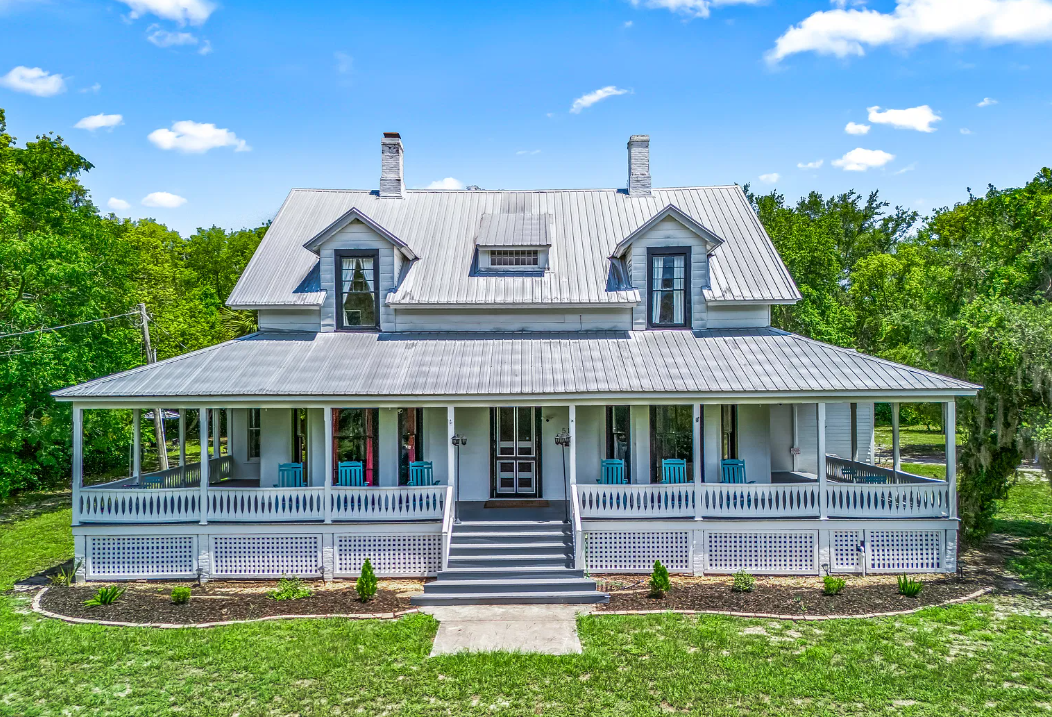
Hill Crest House, Fruitland Park, Florida. National Registry #15000783
There's something special about walking into a home that's been standing for 80, 100, or even 120 years.
Maybe it's the original hardwood floors, the craftsmanship of a staircase, the old windows, or the front porch that seems to belong to a different era. These homes have a personality that can be difficult to find in modern construction.
As a home inspector, I've had the opportunity to explore some fascinating older properties throughout Central Florida. And I'll admit something: I personally love these homes.
There's something exciting about discovering how a house was originally constructed, seeing the materials builders used generations ago, and finding architectural details that have survived decades of renovations and changing ownership.
But as much as I appreciate them, there's something I always want prospective buyers to understand:
Loving an old home and being prepared to own one are two very different things.
What Actually Makes a Home Historic?
The term historic home gets used fairly loosely in real estate.
Generally, properties at least 50 years old may be considered for historic designation, but age alone doesn't make a home historically significant. Official designation considers additional factors, including architectural significance, historical associations, and how much of the property's original character remains.
For this discussion, I'm primarily referring to homes constructed before the 1940s, particularly those dating to the late 1800s and early 1900s.
Of course, many of the challenges we'll discuss also apply to homes built during the 1940s, 1950s, and 1960s.
In Central Florida, older neighborhoods can contain an interesting mixture of traditional wood-frame homes, Craftsman bungalows, early masonry construction, and properties that have undergone multiple additions or renovations throughout their lives.
And sometimes, the most interesting parts of these houses aren't visible from the street.
The Charm: Why People Fall in Love With Older Homes
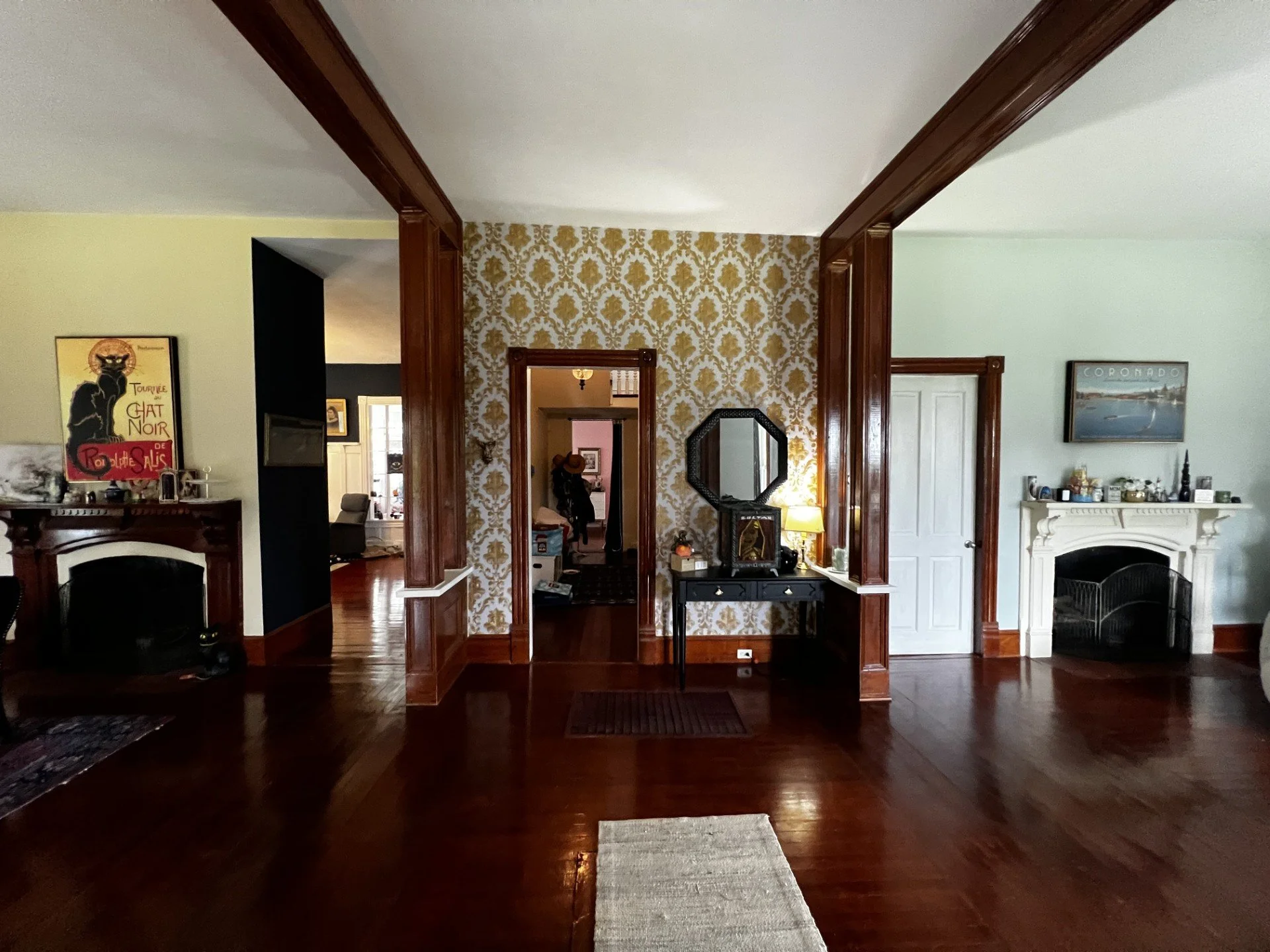
Older homes often offer something that goes beyond square footage, bedroom counts, or modern finishes.
They have character.
Original hardwood floors may show generations of wear. Doors may have old hardware you don't commonly see anymore. Windows, trim, fireplaces, and built-in cabinetry can reveal a level of craftsmanship that makes the property feel unique.
Many historic-era homes were also built on established lots with mature trees, established landscaping, and inviting front porches.
They're not necessarily better built than modern homes, but they're often built differently.
That difference is precisely what some buyers are looking for.
For the right person, restoring and maintaining an older home can be incredibly rewarding. There's satisfaction in preserving something that has already survived generations.
But there's another side to that character.
The Reality: You're Buying Decades of History, Repairs, and Modifications
Here's where my perspective as a home inspector comes into play.
When you're purchasing a house built in the early 1900s, you're not necessarily buying a home that has remained unchanged for 100 years.
You're often buying 100 years of repairs, improvements, alterations, and sometimes questionable decisions made by previous owners.
A home might have original structural framing, plumbing replaced several decades later, electrical improvements completed at different times, and a more recently installed HVAC system.
There may have been additions, enclosed porches, bathroom renovations, foundation repairs, or changes to the original floor plan.
Some of that work may have been performed professionally and documented properly. Other modifications may be difficult to identify or verify.
The result can be a fascinating combination of old and new construction.
And sometimes, what you can't see is more important than what you can.
A Memorable Inspection: The Hillcrest Crawlspace
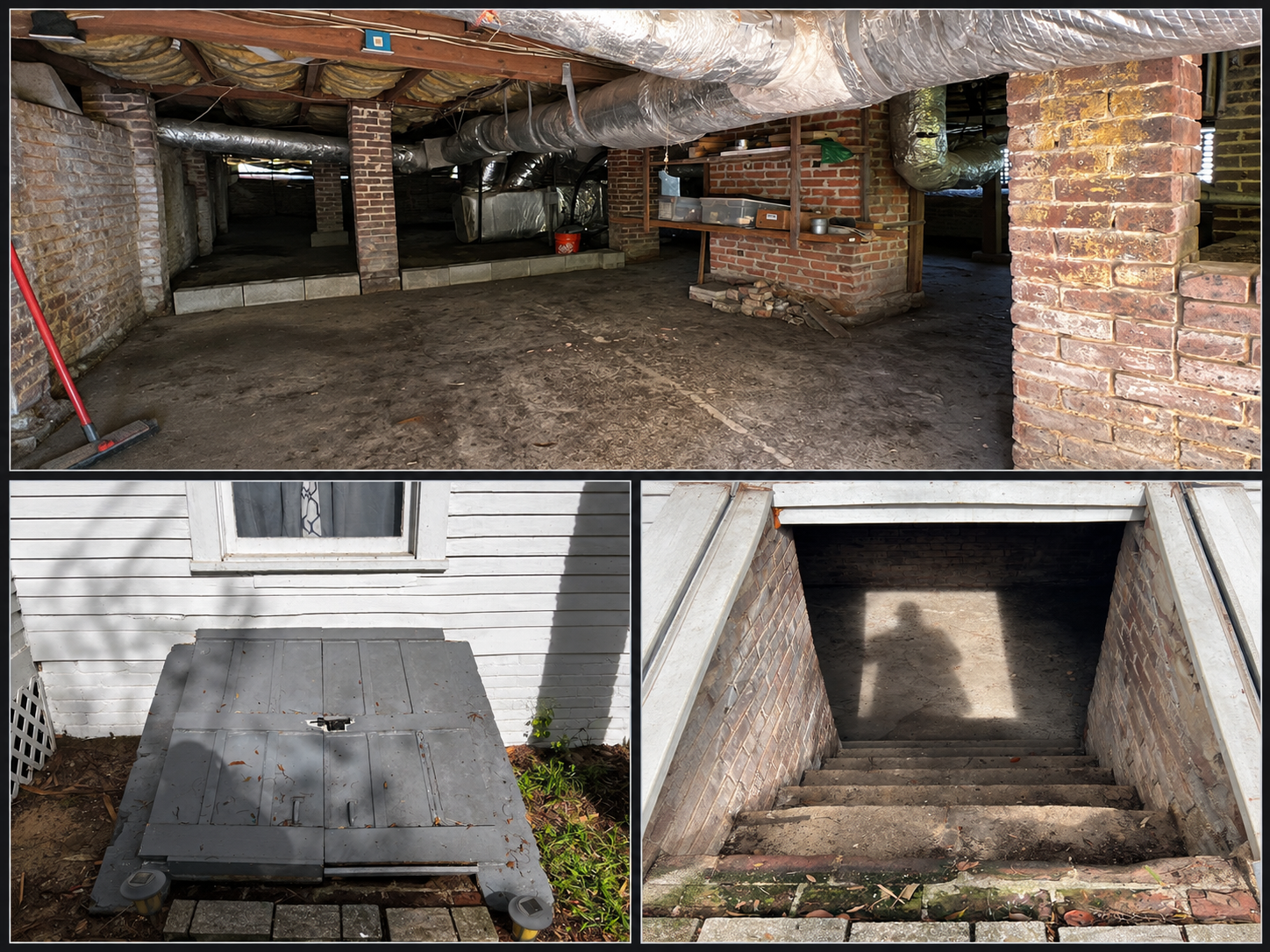
One inspection that comes to mind involved an older property I'll refer to as the Hillcrest home.
What made this inspection particularly memorable was the crawlspace beneath the house.
When most people imagine a crawlspace, they picture a small, cramped area with limited room to move around.
This one was different.
Just getting inside was an experience of its own. Looking down those old brick stairs and into the darkness, I wasn't entirely sure whether I was stepping into a century-old time capsule or the opening scene of a horror movie. Either way, curiosity got the better of me, and down I went.
The space was substantial—almost more reminiscent of an unfinished basement than what most Florida homeowners would consider a traditional crawlspace.
It was one of those moments where I was reminded how differently homes were constructed generations ago.
The property also contained older elements associated with construction dating to approximately 1920 or earlier.
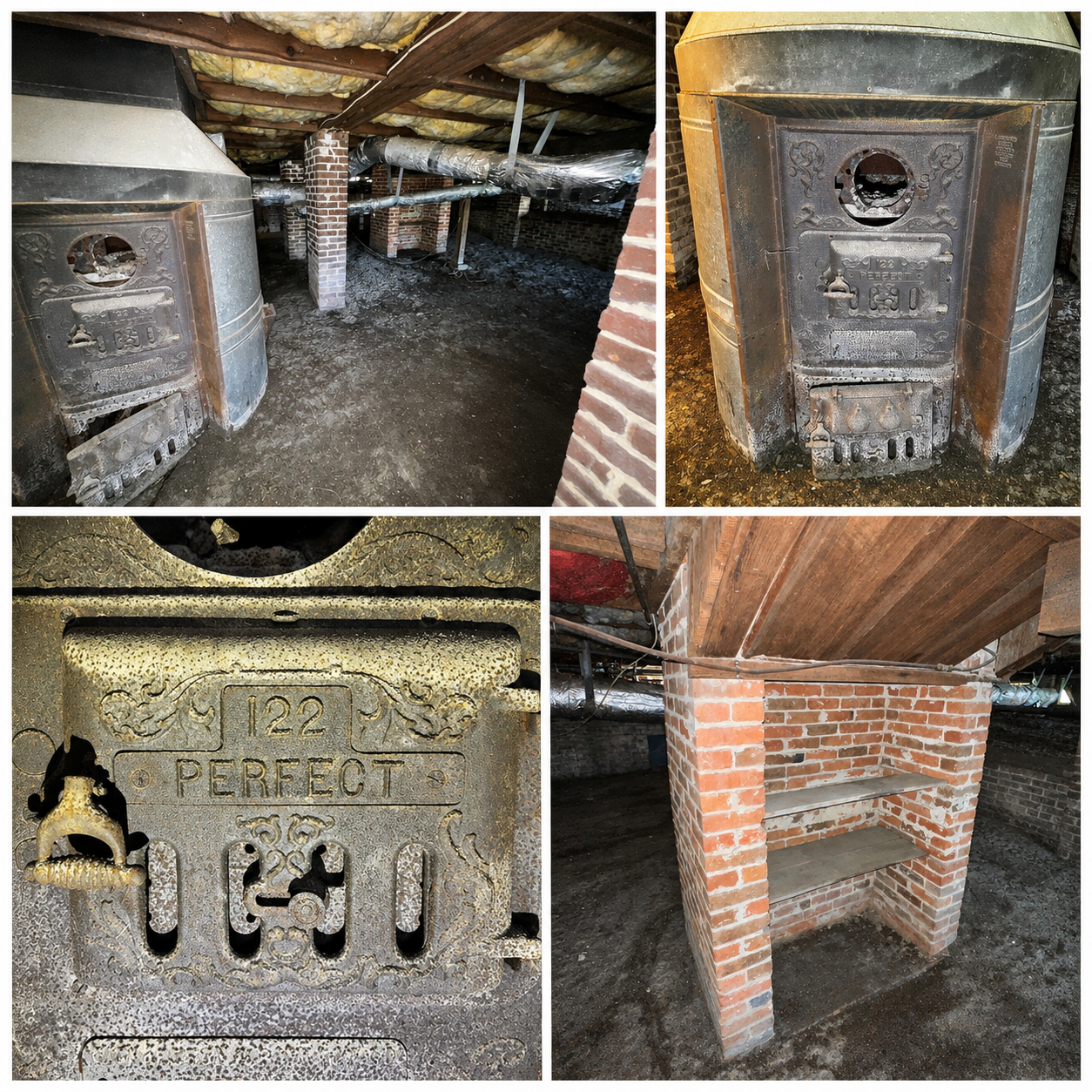
As someone who appreciates older homes, I find these details fascinating.
You get a glimpse into building practices from a completely different time. The construction methods, materials, and layout may differ significantly from what we see in modern residential construction.
But as an inspector, my responsibility is to look beyond the historical interest.
A large crawlspace creates opportunities to observe portions of the framing, foundation, and building systems. It also raises important questions about moisture, drainage, wood deterioration, previous repairs, and the condition of accessible structural components.
Even an unusually spacious crawlspace doesn't guarantee that every area or component can be fully evaluated.
An interesting architectural feature can be both historically fascinating and an important area of inspection.
That's what makes these properties so rewarding to inspect.
Wood Construction and Florida's Humid Climate
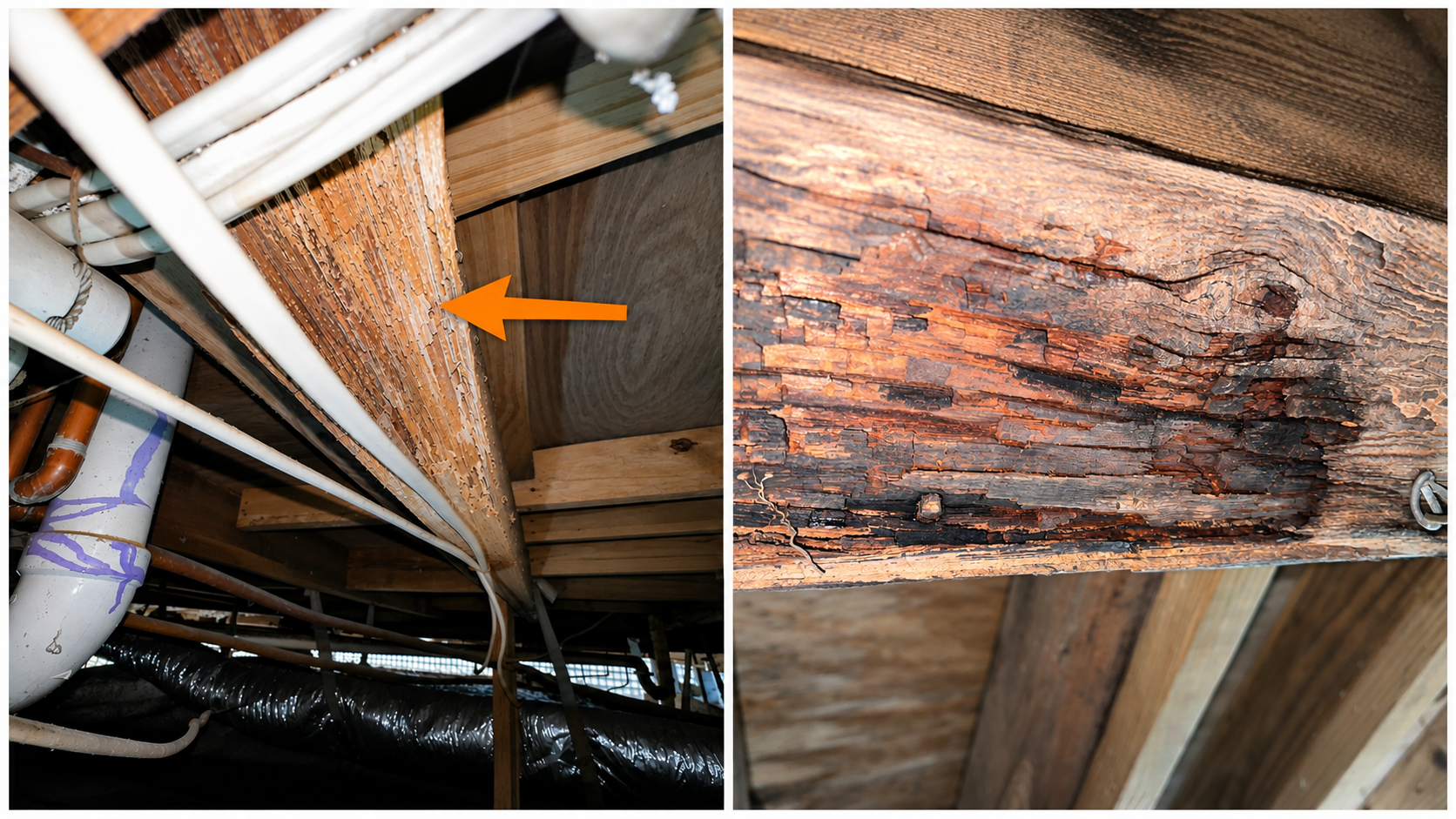
Many older Florida homes contain substantial amounts of wood framing and architectural woodwork.
Wood itself isn't a problem. Properly maintained wood structures can remain serviceable for generations.
The challenge is moisture.
Florida's humid climate, frequent rainfall, and seasonal storms create conditions where water management is especially important.
Older wood-framed homes may have exposed floor framing beneath the living space, wooden siding, older window assemblies, or other components that require regular attention.
When moisture is allowed to accumulate, wood can experience deterioration, decay, and damage from wood-destroying organisms.
Termites are another important consideration in Florida.
Crawlspaces with excessive moisture, plumbing leaks, poor drainage, or persistent humidity can create conditions favorable to wood deterioration and termite activity.
During inspections, I pay particular attention to accessible areas where moisture and wood components interact.
This might include the underside of flooring, foundation connections, exterior trim, roof framing, and areas surrounding plumbing installations.
These concerns aren't exclusive to old homes, but decades of exposure and previous maintenance practices can make them particularly important in historic properties.
The key to preserving an older wood-framed home is often staying ahead of moisture before small problems become expensive ones.
Uneven Floors: Character or Cause for Concern?
One of the things buyers sometimes notice immediately inside older homes is that the floors aren't perfectly level.
You might walk through a doorway and notice a subtle slope. A floor may feel slightly uneven beneath your feet, or a room may have an irregular transition between surfaces.
Not every uneven floor indicates a serious structural problem.
Older construction methods, natural material movement, previous repairs, and long-term settling can all influence how a floor performs.
However, uneven floors can also be associated with deteriorated framing, inadequate support, foundation movement, moisture damage, or other structural concerns.
The important question isn't simply whether the floor is uneven.
It's why the floor is uneven and whether the underlying condition is stable or continuing to deteriorate.
A visual home inspection can document observable conditions and recommend additional evaluation when warranted. In some situations, a qualified structural engineer may be needed to determine the cause and appropriate corrective action.
I wouldn't automatically discourage someone from purchasing a home because the floors aren't perfectly level.
But I also wouldn't recommend dismissing significant irregularities as simply part of the home's charm.
Crawlspaces: The Part of the House Most Buyers Never See
For older homes constructed over crawlspaces, the area beneath the living space deserves particular attention.
This is where accessible structural framing, foundations, plumbing, and other components may be visible.
It's also an area where moisture-related problems can develop without being noticed by the homeowner.
Depending on the property's design and condition, concerns can include standing water, damaged framing, inadequate supports, plumbing leakage, pest activity, or evidence of previous repairs.
Some crawlspaces are reasonably accessible. Others contain restricted openings, limited clearance, unsafe conditions, or obstructions that prevent a complete evaluation.
And while the crawlspace might be out of sight for the homeowner, it certainly shouldn't be out of mind.
For someone purchasing an older home, understanding the accessible conditions beneath the structure can be particularly valuable.
The Challenge of Modernizing a Historic Home
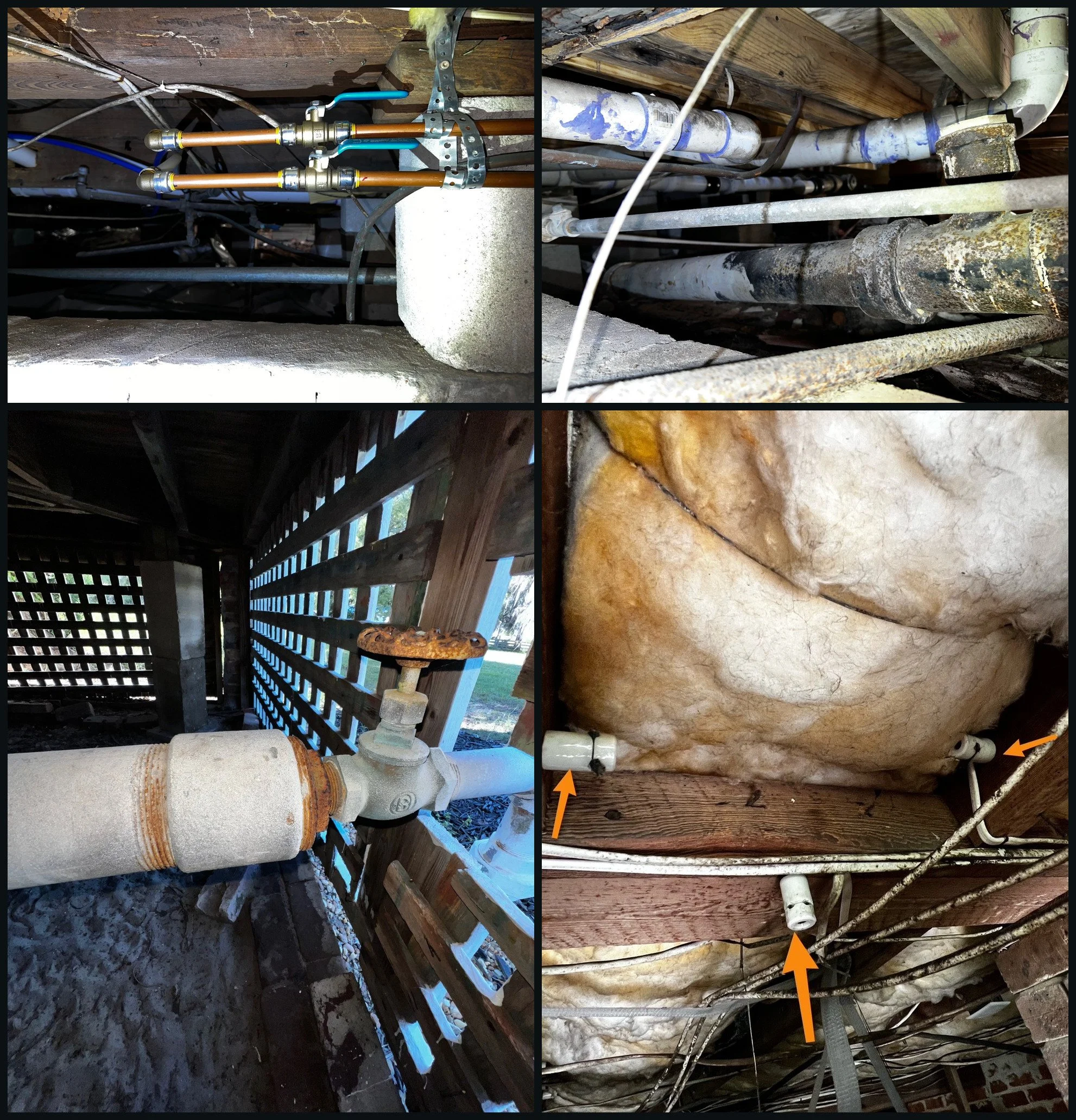
Another interesting part of inspecting older homes is observing how they've been adapted to modern life.
Think about how much residential construction has changed over the past century.
Homes built in the early 1900s weren't necessarily designed for the electrical demands, air-conditioning equipment, appliances, and modern conveniences we take for granted today.
Over the years, many of these properties have undergone upgrades to plumbing, electrical distribution, roofing, heating and cooling systems, and other components.
Those improvements can be beneficial, but they don't automatically mean the entire system has been modernized.
For example, a newer electrical panel doesn't necessarily mean all the wiring throughout the house has been replaced.
Similarly, updated plumbing fixtures don't guarantee that every concealed supply or drain line is new.
And a remodeled bathroom doesn't necessarily tell you anything about the condition of the structural framing beneath it.
This is why I encourage buyers to distinguish between cosmetic improvements and meaningful system upgrades.
Fresh paint and beautiful renovations can make a home appealing, but understanding what's behind those finishes is just as important.
Older homes may also contain materials such as lead-based paint or asbestos-containing building products. Specialized testing or evaluation may be appropriate before renovations that could disturb those materials.
The Maintenance Never Really Ends
This might be the most important consideration for prospective buyers.
Owning an older home often means accepting a different level of ongoing maintenance.
Even a well-preserved property can require regular attention to woodwork, exterior finishes, windows, roofing, drainage, plumbing, and structural components.
Replacement materials may be difficult to match. Repairs may require specialized tradespeople familiar with older construction. And projects that initially appear straightforward can reveal additional conditions once work begins.
An older home may have already undergone several rounds of renovation, but that doesn't mean the next owner is finished making improvements.
In many cases, maintenance is simply part of the ownership experience.
That doesn't have to be a negative thing.
For someone who enjoys restoration projects, historic architecture, and preserving original details, the work may be part of the appeal.
For someone who wants minimal upkeep, predictable repairs, and modern conveniences without additional projects, the same property could become a source of frustration.
There's nothing wrong with either preference. The important thing is knowing which type of homeowner you are before purchasing.
Historic Homes Aren't for Everyone—and That's Okay
I'll be the first to admit that I'm drawn to older properties.
I appreciate their character, construction history, and the craftsmanship that has survived decades of changing building practices.
But that appreciation doesn't change my responsibility as an inspector.
My job isn't to convince someone to buy a home—or to discourage them from buying one.
It's to help them better understand the property and the conditions that may affect its ownership.
I believe the ideal buyer for a historic home is someone who appreciates more than its appearance.
They're willing to invest in maintenance, plan for unexpected repairs, understand the limitations of older systems, and recognize that preserving a piece of history sometimes requires patience and ongoing financial commitment.
A historic home might be the perfect fit for someone who loves restoration and doesn't mind a continuing list of projects.
But it may not be the best fit for a buyer who expects everything to operate and perform like a newly constructed house.
And that's perfectly fine.
Before Buying an Older Home in Central Florida
If you're considering purchasing an older or historic property, I strongly recommend approaching the process with realistic expectations.
A comprehensive home inspection can help identify observable deficiencies and potential concerns with accessible systems and components.
Depending on the property's age and construction, additional evaluations may also be appropriate, such as sewer scope inspections, wood-destroying organism inspections, structural engineering assessments, or specialized environmental testing.
Buyers should also consider reviewing documentation for previous renovations, building permits, insurance eligibility, and any applicable historic preservation requirements.
Most importantly, understand that a home inspection is visual and non-invasive. Concealed defects and conditions behind finishes may remain undiscovered until renovation or repair work begins.
My Final Thoughts
There are historic homes throughout Florida that have stood for generations, and I hope many of them continue standing for generations to come.
They contribute to the character of our neighborhoods and preserve architectural details that deserve appreciation.
But preserving that history takes work.
As much as I personally love these properties, I believe potential buyers should enter the process with their eyes open.
Buy an old home because you genuinely appreciate what makes it different—not because you expect it to behave like a new one.
The right buyer may find owning a historic home incredibly rewarding.
The wrong buyer may quickly discover that charm comes with a maintenance schedule.
And sometimes, those two things go hand in hand.
About the Author
Marc Bélanger is the owner and licensed home inspector behind Spyglass Home Inspections, LLC. A local firefighter lieutenant/paramedic, Marc combines his safety-focused professional background with a personal interest in residential construction and historic homes.
Spyglass provides professional home inspections throughout Orlando and Central Florida.
